
To wrap a sofa for moving, start by cleaning and removing cushions or detachable parts. Cover the sofa with moving blankets for cushioning, then secure them using plastic stretch wrap to protect against dirt and moisture. Add bubble wrap to corners and delicate areas, and finish by securing everything with packing tape to keep the sofa safe during transport.
Moving house is rarely simple, and when it comes to bulky furniture like sofas, things can quickly become complicated. A sofa isn’t just large and awkward to carry, it’s also one of the most used and valuable items in your home. Naturally, you want it to arrive at your new place in perfect condition. That’s where knowing how to wrap a sofa for moving properly becomes essential.
Whether you’re relocating across town or moving long-distance, wrapping your sofa correctly protects it from dust, scratches, moisture, and accidental damage. It also makes handling easier and ensures your furniture remains clean and intact throughout the journey. In this guide, you’ll learn everything you need to know, from preparation to wrapping techniques, so you can move your sofa with confidence.
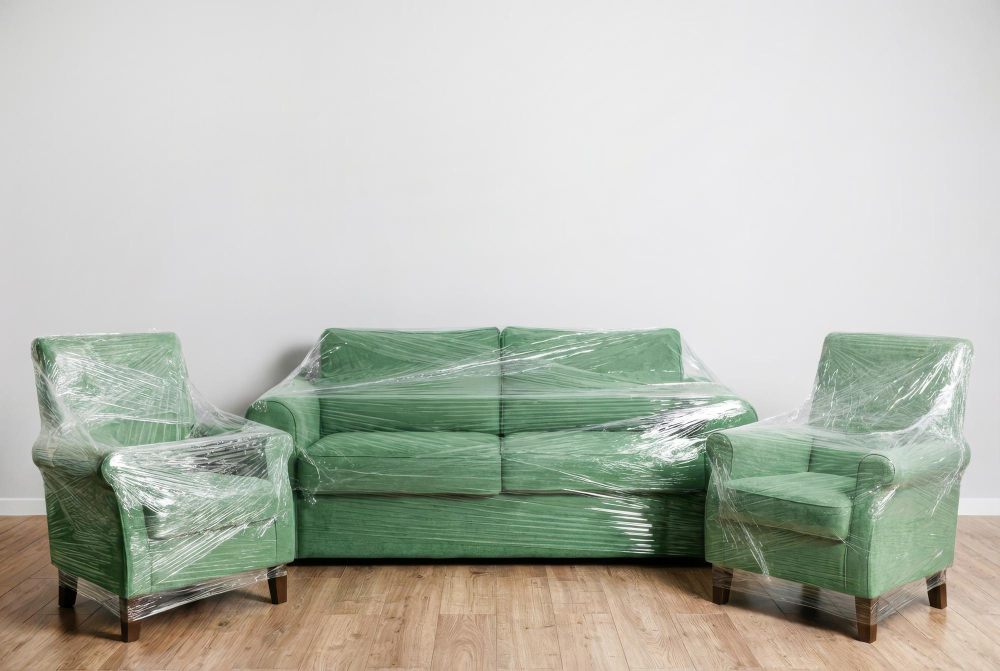
At first glance, throwing a blanket over your sofa is enough. But moving involves tight doorways, staircases, van loading, and sometimes unpredictable weather. Without proper wrapping, your sofa is exposed to a range of risks.
Fabric sofas can easily absorb dirt, moisture, or odours during transit. Leather sofas, on the other hand, are prone to scratches and scuffs. Even minor damage can be frustrating, especially if your sofa is relatively new or expensive. Proper wrapping acts as a protective shield, ensuring your furniture stays in top condition.
Another important factor is hygiene. During a move, your sofa may come into contact with dusty floors, van interiors, or outdoor surfaces. Wrapping prevents contamination and saves you the hassle of deep cleaning afterwards.
Before you begin, it’s important to gather the right materials. Using proper packing supplies makes a huge difference in how well your sofa is protected.
You’ll need moving blankets or furniture pads, which provide cushioning and prevent scratches. Plastic stretch wrap is essential for securing the blankets and protecting against moisture. Bubble wrap can be used for delicate areas like arms or legs. Strong packing tape helps keep everything in place, while furniture covers or polythene sheets offer an extra layer of protection.
Investing in quality materials might seem like an added expense, but it’s far cheaper than repairing or replacing a damaged sofa.
Preparation is just as important as the wrapping itself. Start by thoroughly cleaning your sofa. Vacuum any dust, crumbs, or pet hair, and wipe down surfaces if needed. This ensures that dirt doesn’t get trapped under the wrapping during the move.
Next, remove any detachable parts such as cushions, legs, or covers. Pack these separately to make the sofa easier to handle and reduce the risk of damage. If your sofa has removable legs, unscrewing them can also help you fit it through tight spaces.
Measure your sofa and doorways in advance. This simple step can save you a lot of trouble on moving day. If necessary, plan your route to ensure the sofa can be moved safely without unnecessary twisting or force.
Wrapping a sofa isn’t complicated, but it does require attention to detail. Following a structured approach ensures maximum protection.
Start by covering the sofa with moving blankets. Make sure every part, including the back, arms, and base, is fully covered. These blankets act as a cushion, protecting against bumps and knocks during transport.
Next, use plastic stretch wrap to secure the blankets in place. Wrap the plastic tightly around the sofa, ensuring it doesn’t shift during the move. This layer also protects against moisture and dirt.
For extra protection, especially on corners and edges, use bubble wrap. These areas are more likely to be damaged during handling, so reinforcing them adds an extra level of safety.
Finally, secure everything with packing tape. Make sure the tape is firm but not too tight, as excessive pressure can damage the sofa’s material. The goal is to keep everything in place without causing unnecessary strain.

Ready to make your move? Contact Central Removals today for a free, no-obligation quote. Our friendly team is here to answer any questions you may have and to help you start planning your move.
Not all sofas are the same, and different materials require different care.
Fabric sofas are more prone to stains and moisture, so ensure they are fully wrapped in plastic wrap. Avoid leaving any gaps where dirt or water could seep in.
Leather sofas require a gentler approach. While wrapping is essential, avoid placing tape directly on the leather surface, as it can cause damage. Instead, use blankets as a buffer before applying any securing materials.
For recliner sofas or sectional units, disassemble them if possible. This makes wrapping easier and reduces the risk of damage during transport.
Even with the best intentions, it’s easy to make mistakes when wrapping a sofa. One common error is skipping the cleaning step. Dirt trapped under wrapping can cause stains or unpleasant odours.
Another mistake is using insufficient materials. Thin covers or old sheets won’t provide adequate protection, leaving your sofa vulnerable to damage.
Over-tightening the wrap is also a problem. While you want everything secure, excessive pressure can damage the frame or upholstery. Balance is key.
Finally, failing to secure loose parts can lead to lost or damaged components. Always pack cushions, legs, and accessories separately and label them clearly.
Once your sofa is properly wrapped, the next challenge is moving it safely. Always lift with care and use proper lifting techniques to avoid injury. If the sofa is particularly heavy, don’t hesitate to ask for help.
When loading the sofa into a van, place it upright if possible. This helps save space and reduces pressure on the structure. Ensure it’s positioned securely so it doesn’t shift during transit.
Professional movers, such as Central Removals, often have the experience and equipment needed to handle bulky furniture safely. If you’re unsure about managing the move yourself, hiring experts can provide peace of mind.
While wrapping and moving a sofa yourself is possible, professional services can simplify the process. Experienced movers know exactly how to handle different types of furniture and can ensure everything is transported safely.
They also have access to high-quality materials and specialised equipment, which can significantly enhance protection for your belongings. In many cases, the time and effort saved outweigh the cost of hiring professionals.
Knowing how to wrap a sofa for moving is a valuable skill that can save you from unnecessary stress and expense. By using the right materials, properly preparing your sofa, and following a step-by-step approach, you can ensure your furniture arrives in excellent condition.
Moving doesn’t have to be chaotic. With careful planning and attention to detail, you can protect your sofa and make the entire process much smoother. Whether you choose to do it yourself or seek professional help, the key is to prioritise safety and protection at every stage.